
Table of Contents
- Why Counterfeit Tactical Gear Is a Safety Problem
- Real vs Fake Plate Carrier: What Changes on the Bench
- How to Authenticate Tactical Gear Using Labels and Model Numbers
- Counterfeit Military Patches and Other Small Items
- Night Vision and NIR Signature: The Test Most Fakes Fail
- Your Tactical Gear Buying Checklist Before You Pay
- Spotting Fake Tactical Gear: Limits, False Positives, and Next Steps
- Frequently Asked Questions
Last Updated: October 16, 2026
Why Counterfeit Tactical Gear Is a Safety Problem
Counterfeit tactical gear is equipment made to look like a trusted brand but built without the materials, testing, or quality control that keep you safe. Fake plate carriers, vests, and accessories can fail when you need them most.

If you want to know how to spot fake tactical gear, the answer starts with one habit: inspect before you trust.
This guide walks you through a 7-step inspection you can run on any item. It covers stitching, fabric, labels, fit, and even night vision tests. It also shows you what to check before you pay.
Real vs Fake Plate Carrier: What Changes on the Bench
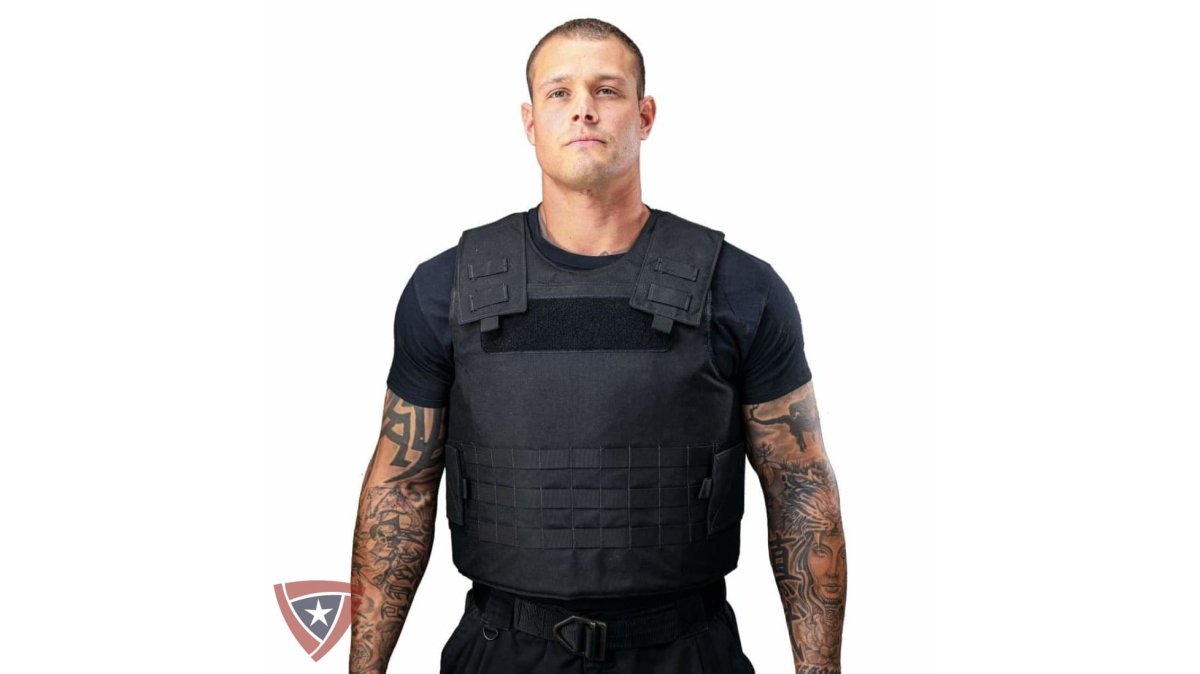
A real plate carrier holds its shape, uses consistent materials, and shows clean construction. A fake one often looks close from a distance but fails under close inspection. Lay both on a bench and the differences show up fast.

Stitching, Seams, and Load-Bearing Points
Stitching is the first thing to check. On genuine gear, seams are straight, tight, and even. Load-bearing points get double or triple stitching.
On fake gear, you will often see:
- Loose or wavy stitch lines
- Single stitching at stress points
- Loose threads and skipped stitches
Run your thumb along every seam. If it feels rough or uneven, be suspicious.
Fabric Weight, Coatings, and Delamination
Real tactical fabric feels dense and stiff. Fakes feel thin and flimsy. Check the coating on the inside. Genuine gear has a bonded coating that does not peel.
Signs of a fake:
- Fabric that feels like thin nylon
- Coating that flakes off when you rub it
- Delamination where layers separate
How to Authenticate Tactical Gear Using Labels and Model Numbers
You can authenticate tactical gear by matching the label, lot code, and model number to the maker's own records. This is the fastest way to confirm an item is real. Most fakes fail here because they copy the look but not the paperwork. The problem is that most guides stop at "check the website." Here is the actual step-by-step process.
Step 1: Capture the Identifiers Before You Buy
Ask the seller for clear, well-lit photos of every tag on the item. You want:
- The main brand tag (front and back)
- The model or SKU number
- The lot or batch code
A real dealer will send these without hesitation. A scammer will send one blurry photo, claim the tag is "under the flap," or stop responding. That hesitation is itself a data point.
Step 2: Decode What Each Identifier Means
Different identifiers do different jobs, and counterfeiters usually get one of them wrong:
| Identifier | What It Tells You | Common Fake Mistake |
|---|---|---|
| Brand tag | Confirms the maker | Logo font slightly off, wrong spacing |
| Model / SKU | Confirms the exact product line | Reuses a discontinued number |
| Lot / batch code | Ties the item to a production run | Missing, or a code format the brand never used |
| Size tag | Confirms intended fit | Size printed in the wrong unit or font |
| Country of origin | Confirms where it was made | Contradicts the brand's known production |
Step 3: Verify Against the Maker's Own Records
This is the step most buyers skip. Do it in this order:
- Go to the manufacturer's official website directly, type the domain yourself, do not click a link from the seller.
- Search the model number in the site search or product archive.
- Confirm the product still exists in that line, or that it existed and was discontinued.
- Check the listed materials, weight, and dimensions against what the seller described.
- If the brand publishes a dealer locator or authorized-seller list, confirm the seller appears on it.
If the model number returns nothing, or returns a product that looks nothing like the item, treat it as fake until proven otherwise.
Step 4: Contact the Manufacturer Directly
For high-value items, plate carriers, helmets, armor, it is worth one email. Send the brand's customer support the model number, lot code, and a photo of the tag. Ask them to confirm the item is genuine and was sold through an authorized channel.
A legitimate seller has no problem with you doing this. A counterfeiter counts on you not bothering.
Step 5: Watch for the Paperwork Red Flags
Even when the tag looks right, these patterns point to a fake:
- The model number matches a real product, but the materials listed do not.
- The lot code format does not match other codes from the same brand.
- The tag is sewn on crooked, or with a different thread color than the rest of the item.
Verification is not about one check. It is about stacking confirmations until the item either holds up or falls apart.
Counterfeit Military Patches and Other Small Items
Counterfeit military patches are among the most common fakes because they are cheap to copy. The same goes for small items like buckles, straps, and pouches. These small parts carry big risk. A failed buckle can drop your gear.
Light Tactical Body Armor and Carrier →
Check these details:
- Patch edges should be clean and tightly embroidered
- Colors should match official shades, not washed out
- Backing should be strong Velcro, not weak glue
Compare any patch or small item to photos from the maker. Slight color shifts and fuzzy edges are common on fakes.
Night Vision and NIR Signature: The Test Most Fakes Fail
Near-infrared signature is the test most fakes fail. Real tactical fabric is made to have a dull signature under night vision.
If you have access to a night vision device, shine it on the gear in a dark room.
No night vision device? Ask the seller for a photo under NIR light. A real dealer can provide one. A scammer cannot.
Your Tactical Gear Buying Checklist Before You Pay
Use this checklist before you pay for any tactical item. It covers the steps we trust most.
| Check | What to Look For | Red Flag |
|---|---|---|
| Price | Fair market range | Too good to be true |
| Seller | Real business, real address | No contact info |
| Stitching | Even, tight, doubled at stress points | Loose or single stitching |
| Fabric | Dense, coated, no smell | Thin, flaky, chemical odor |
| Label | Clear tag with model number | Missing or blurry tag |
| Model number | Matches maker's records | No match found |
| NIR signature | Dull under night vision | Bright glow |
| Returns | Clear return policy | No returns allowed |
Also check the seller's website. A fraudulent website often has broken links, poor grammar, and no real reviews. Compare the price to known sellers. If it is far below normal, walk away.
Spotting Fake Tactical Gear: Limits, False Positives, and Next Steps
Visual inspection has limits. Some fakes are very good. A close copy can pass every check on the bench and still fail in the field. That is why you should never rely on looks alone, and why you should also know when a real item looks fake.
Why a Real Item Can Look Fake
Legitimate gear can trip the same red flags you use to catch counterfeits. Before you accuse a seller or return a good product, rule out these normal causes:
- Production changes. A brand may switch fabric mills, thread suppliers, or tag printers between runs. The same model can look slightly different across two years.
- Legitimate wear. Frayed edges, faded dye, and softened fabric are signs of use, not forgery. A used genuine carrier will not look factory-fresh.
- Surplus and contract overruns. Government-contract gear sometimes reaches the civilian market without retail packaging or with different tags than the commercial version.
If an item fails one check but passes every other, slow down. One red flag is a question. Three or more is a pattern.
Counterfeit vs. Replica vs. Budget Gear
These three get lumped together, and they should not be:
| Category | Sold As | Risk Level | What to Do |
|---|---|---|---|
| Genuine | Authentic brand product | Low | Verify and buy |
| Replica | Openly labeled copy | Varies | Fine for training or cosplay, never for life safety |
| Budget gear | Honest off-brand product | Varies | Judge on its own merits, not against a brand it imitates |
| Counterfeit | Fake sold as genuine | High | Do not use, report, seek refund |
The danger is not the replica. The danger is the replica sold as the real thing.
What to Do After You Find Suspected Counterfeit Gear
If you believe you have received counterfeit tactical gear, work through these steps in order:
- Stop using it for anything safety-critical. Do not trust a suspected fake carrier, helmet, or armor plate with your life. Set it aside.
- Document everything. Photograph the item, the tags, the packaging, the listing, and the seller's messages. Save the order confirmation and payment receipt.
- Contact the seller in writing. Request a full refund and state clearly that the item appears counterfeit. Keep the tone factual. Save the reply.
- Dispute the payment if needed. Credit card chargebacks and payment-platform disputes have time limits, so start the process early rather than waiting on the seller.
- Report the seller. File a report with the platform where you bought it, and notify the brand whose product was faked. Brands track counterfeit sellers and often act on reports.
- Report to the appropriate authority. Counterfeit goods sold in commerce can be reported to the U.S. Federal Trade Commission at ReportFraud.ftc.gov, and counterfeit imports can be reported to U.S. Customs and Border Protection. Keep your documentation ready.
- Dispose of it responsibly. Do not resell a suspected counterfeit as genuine, and do not donate it to someone who might trust it. If it is unsafe, mark it clearly or discard it.
The Honest Limit of Any Inspection
No bench check, no photo, and no checklist can catch every fake. The best defense is a stack: verify the seller, verify the identifiers, inspect the item, and buy from sources with a real return policy. When in doubt, walk away. There is always another item.
Frequently Asked Questions
What details should you check on tactical gear labels and tags?
Start with the tag itself. Genuine gear carries a woven or printed label with a manufacturer name, a model or style number, a size, and often a lot or date code. Check that the label matches the item you actually received and that the print is sharp rather than blurry or peeling. Counterfeiters copy logos but rarely copy the full data set. If the tag lists no model number, spells the brand wrong, or uses a font that looks slightly off, treat it as a red flag and verify the item through the seller before you rely on it.
Can stitching and hardware reveal whether tactical gear is counterfeit?
Yes, and it is usually the fastest check you can run. Real load-bearing gear uses tight, consistent rows of stitching with clean bar tacks at stress points like shoulder straps and pouch corners. Fakes often show loose or wandering stitch lines, skipped stitches, frayed thread ends, and single-stitched seams where the original is double or triple stitched. Look at the buckles and zippers too. Genuine hardware is stamped with a maker name and feels solid; counterfeit hardware is unbranded, lighter, and flexes under finger pressure.
What are the red flags when buying tactical gear online?
Price is the first one. A plate carrier or combat shirt listed far below what the real product costs is almost never a bargain. Next, look at the listing photos: stock images only, no close-ups of tags or stitching, and a seller with no return policy. Check whether the seller publishes an address, a phone number, and a real returns process. Finally, read the sizing and shipping terms. Listings that promise 3-day shipping on gear that normally takes weeks to make, or that refuse returns, are worth walking away from.
Is surplus tactical gear always authentic?
No. Surplus is a category, not a guarantee. Genuine surplus comes from real military or agency issue and usually shows consistent markings, contract numbers, and honest wear. But the surplus label gets applied to reproduction gear and airsoft-grade items as well, and some sellers mix real and fake stock in the same listing. Ask for photos of the actual tag and any contract or lot number, and compare those against the manufacturer's records. If the seller cannot or will not show the tag, assume it is not verified surplus.
Counterfeit gear is a real safety risk, and a low price is rarely worth it. North American Tactical Supply offers gear built with honest materials, clean design, and all-in-one kits for any emergency. Our products are made to last and backed by real construction you can inspect. Shop now with North American Tactical Supply and gear up with confidence.